From Operational Buyer to Agent Supervisor: The Procurement Workforce of the Future
—
2 min read


Vladimir Keil
Author
The Problem: The Digitization Illusion
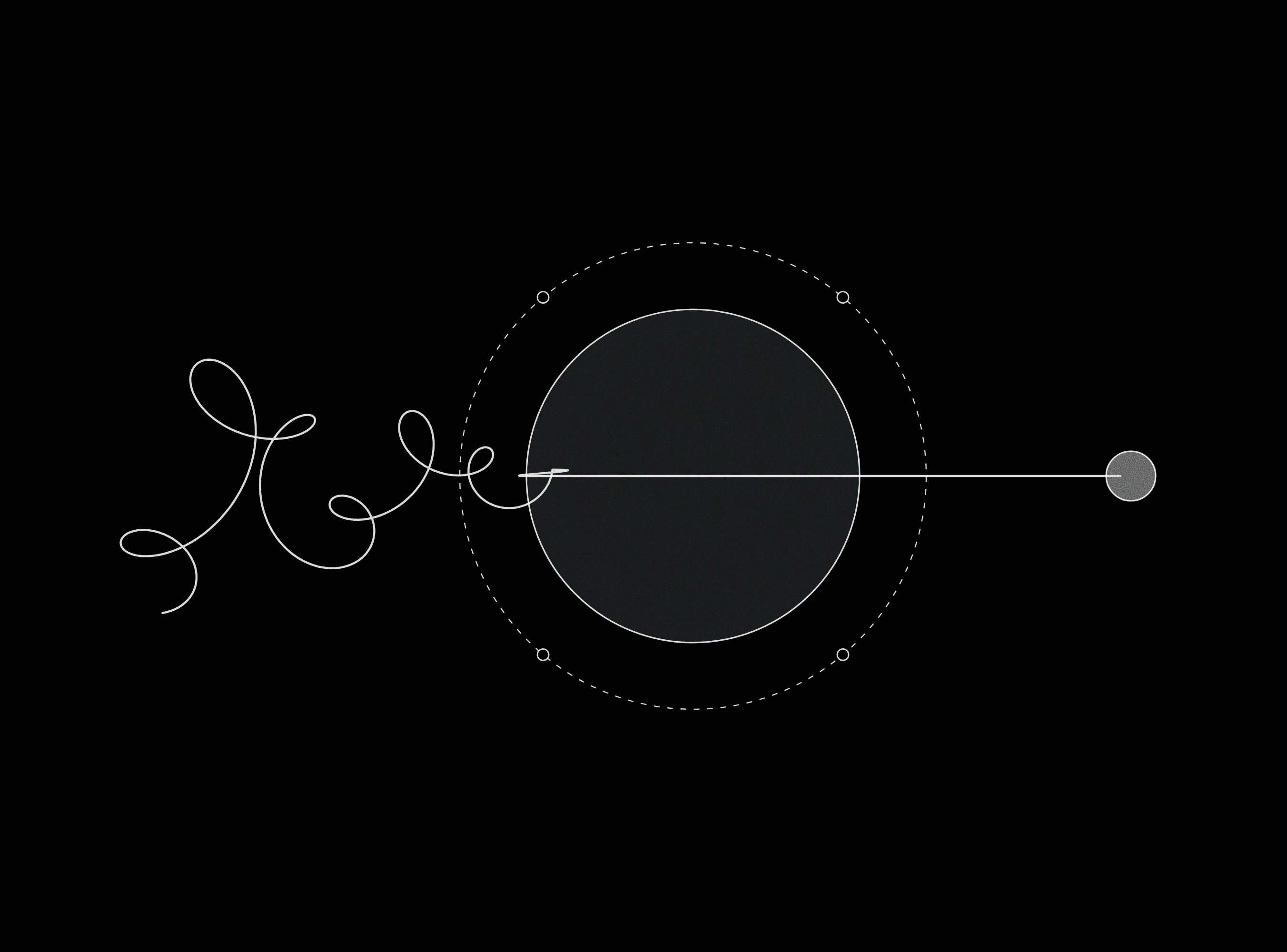
Humans still validated line items, checked suppliers, matched invoices, chased missing information, and routed approvals. The interface improved. The operating model didn’t. Even today, “AI in P2P” often means small AI features embedded into form-driven systems. Useful, yes - but incremental. And when 80-90% of demand enters as unstructured free text, humans still interpret, verify, and execute. The bottleneck isn’t the UI. It’s the manual execution layer behind it.
The Idea: From Forms to Execution
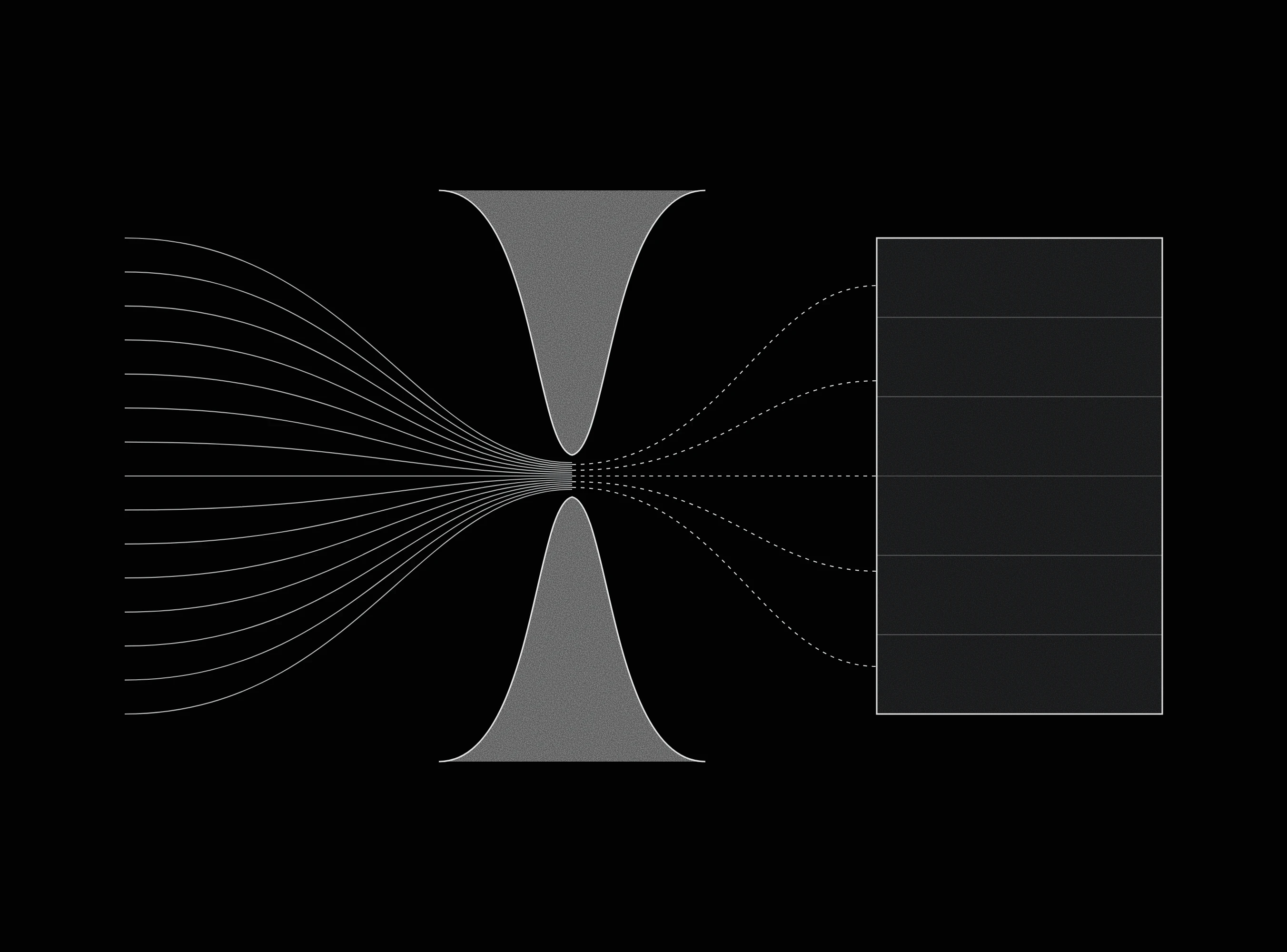
Lio didn’t start with forms. It started with execution. Instead of forcing demand into rigid schemas, our multi-agent systems accept natural language, interpret context, integrate directly into ERP systems, and execute procurement workflows end-to-end.
Escalation happens only by exception - not by default. When edge cases appear, the system improves. It doesn’t stall. Human-in-the-loop becomes supervision, not execution. We don’t add another dashboard. We deploy virtual buyers - a digital workforce embedded into your existing systems.
If your KPI is digitizing and visualizing workflows, orchestration platforms are a strong fit. They coordinate processes and structure inputs. But if your KPI is execution, throughput, and the removal of operational bottlenecks, multi-agent systems change the equation. And they do so without forcing you into a new platform.
Adoption becomes modular. Lio starts where the bottleneck hurts most. Deploy the agent that solves your most pressing operational constraint. Expand from there. No rip-and-replace. No full-suite replacement.
The Organizational Shift: The Three Layers of Tomorrow’s Procurement Department
The real disruption isn’t software. It’s structure. Multi-agent systems introduce a new three-layer model for procurement.
01 At the top sits Strategy Communication
Leadership and the CPO define sourcing priorities, risk appetite, supplier strategy, governance standards, and performance objectives.
→ This layer defines what should happen.
02 Strategy Translation is the new role
Agent Supervisors convert strategy into operational logic: negotiation parameters, approval rules, risk thresholds, supplier prioritization, escalation triggers, and compliance frameworks. They design and refine Agent Operating Procedures. They don’t execute tasks; they design the system that executes them.
→ This layer defines how it should happen.
03 Strategy Execution
Here, AI agents operate across systems, tools, and stakeholders. They interpret purchase requests, validate suppliers, match documents, conduct operational negotiations, route approvals, and coordinate directly with ERP systems and other agents. Agent-to-agent communication replaces manual coordination loops. Execution becomes always on, scalable, consistent, and data-native.
→ This layer ensures it actually happens.
Together, these layers form a new enterprise architecture: management defines strategy, procurement translates it into operational logic, and agents execute at scale. The competitive advantage will not be the agent. It will be the buyer behind it. Agents follow logic. Humans define it.
Operational buyers once checked data, formatted requests, routed approvals, and reconciled mismatches. Tomorrow, they will design agent logic, supervise performance, manage strategic exceptions, and continuously optimize execution systems.
The systems remain. The execution layer changes. Procurement doesn’t disappear. It becomes the strategic brain behind an autonomous execution engine.
Interested in this article?
Continue reading





Certified
Headquarter
Lio Technologies
524 Broadway
New York,
NY 10012
USA